English
 Arabic
 French
 Spanish
 Portuguese
 Deutsch
 Turkish
 Dutch
Dutch
 Italiano
 Russian
 Romaian
 Portuguese (Brazil)
 Greek
Greek

Why Modern SOCs Need TDR—Not More Security Tools
Networking |
2025-12-19 05:53:32
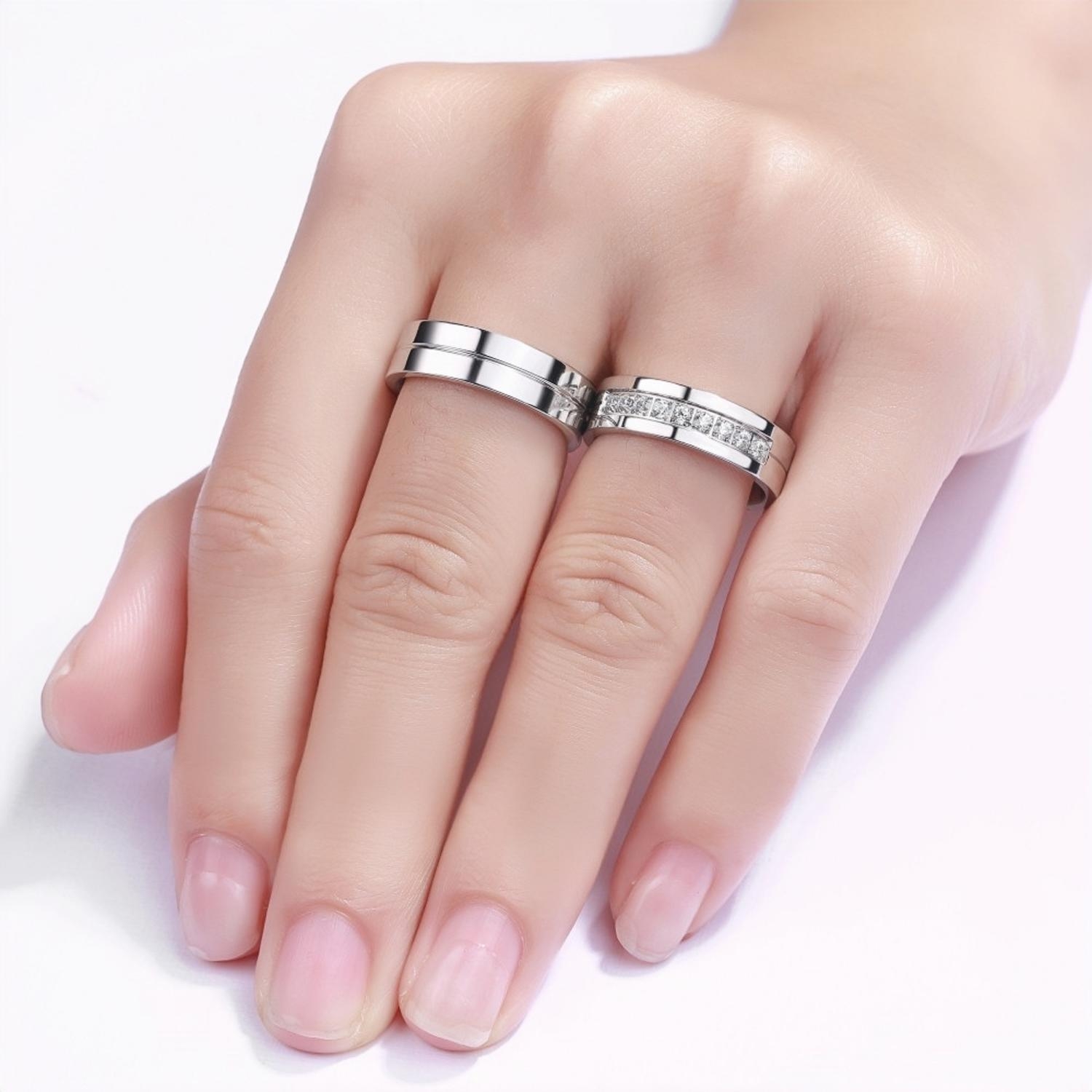
Today, the experience of shopping for diamond promise rings for couples can be both wonderful and overwhelming. The market that was once dominated by only mined diamonds is now flooded with a variety of diamond-simulant options. The simulated diamond industry has brought more choices for engagement rings than ever before, but also confusion.
Let's look at the meaning of "simulated diamond". Simulated diamonds can be a fantastic alternative to mined ones, particularly because they are cheaper and more environmentally friendly. There are many different lab-grown diamonds couple matching jewelry, with varying quality and prices.
The difference between simulated zirconia vs. cubic zirconia is one of the most important differences you need to know. Understanding the variations in diamond durability, appearance and clarity is important to find your perfect stone.
What is a Simulated Diamond couple necklaces?
Simulated Diamonds (also known as diamond alternative) are stones created in the lab to mimic - or simulate - the look and feeling of a mined stone. These stones can be created from a variety of materials, but they are not usually the same as mined diamonds. In order to mimic the shine and sparkle of a natural diamond, which is expensive to mine, people have spent centuries trying to find a diamond replica. In response to this, a number of simulated stones have been created that simulate the appearance of a real diamond. Note that synthetic diamonds and diamond simulants differ from one another.
All of these simulated diamonds are different in terms of composition, appearance, and quality. Here are a few of the most popular stones.
Topaz is a mixture of fluorine and aluminum. It's just as hard and as shiny as cubic zirconia.
Sometimes quartz is called Herkimer diamonds or rock crystal. This mineral is very common and occurs naturally. It is usually slightly cloudy and comes in different colors.
Leaded glass, crystal or leaded glass. This material is man-made and it has beautiful clarity. However, it is easily broken, cracked, or chipped.
Beryl is an ancient natural gemstone. The transparent white stone is one of many colors. The stone is usually flecked with natural imperfections and impurities, which can affect its shine and depth.
Scheelite can be found in both natural and synthetic forms. It is less popular than diamond simulants and may contain imperfections, such as gas bubbles.
Sphalerite shines beautifully, but is soft and fragile.
White zircon shares a chemical similarity with cubic zirconia. It comes in a variety of colors and is a different type of crystal than diamonds or zirconia.
Cubic zirconia has become one of the most popular and best diamond alternatives. Although it is more durable than diamonds, the color can change over time.
Lab-created simulants of diamonds have become a popular new trend in diamond jewellery. They provide the sparkle, clarity and fire of diamonds without the cost or ethics.
Examining the two last categories of simulated simulated diamonds, cubic zirconia (also known as lab-created diamond simulants) and lab-created diamonds is of special importance. The most popular substitute for diamonds in engagement rings, they have significant differences.
What is Cubic Zirconia?
In 1969, jewelers started using cubic zirconia in place of diamonds. Since then it has become a popular alternative to diamonds. Cubic zirconia can be produced synthetically. This means that it is not mined but can be made in a clean laboratory. Zirconia occurs naturally but is too fragile to be useful.
The gem is made from crystalline zirconium dioxide. The laboratory begins with zirconium powder, which is a sort of gritty mineral. They heat it up to 5000° Fahrenheit. The laboratory adds additional minerals during the processing to make the gemstone more durable and add color.
CUBIC ZEIRCONIA SIGHTINGS
As the mixture cools, it naturally forms cubic crystal shapes. The cubic zirconia has a clear, diamond-like shine due to this. Like white zircon, cubic zirconia also has fire. Jewelers call diamonds' flashes of light "fire". Cubic zirconia has a similar hardness and smoothness to natural gemstones. The stones come in different colors such as red, lilacs, aquas, ambers, and pinks. It is a versatile stone that can be used as an alternative to diamonds.
It is important to remember that even though cubic zirconia starts out as hard and shiny, it may not stay this way. Because of their chemical composition, cubic Zirconia is prone chipping. It can also absorb contaminants from the surroundings over time. This can cause visible flaws and discoloration.
CUBIC ZERONIA COST & Ethics
Originally cubic zirconia (also known as zirconium oxide) was developed to offer a more affordable option to diamonds. Although it's still easier to buy than mined stones, its prices have continued to increase as it has gained in popularity. You can expect to see jeweler's prices increase now that cubic zirconia has been recognized as its own entity.
In recent years, there have been concerns raised over the working conditions of factory employees in China and Thailand. Do your research to find out where cubic zirconia has been produced.