

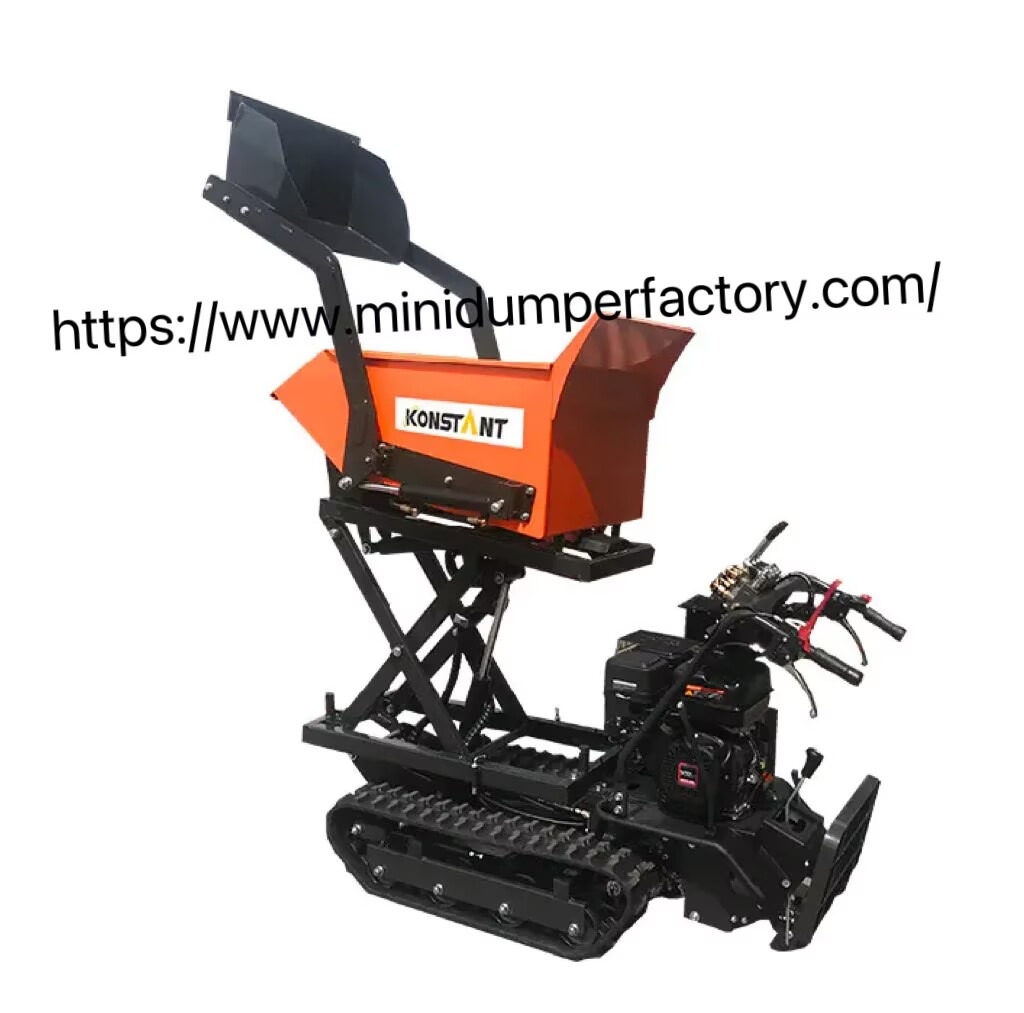

Power Barrow purchasing decisions involve more than comparing carrying capacity and machine prices. Buyers should ask manufacturers about the drive system, control layout, braking arrangement, container structure, unloading operation, and available configurations. These details influence how equipment fits into construction, landscaping, agricultural, and property maintenance work. Preparing specific questions before ordering can also help importers and distributors reduce misunderstandings during communication and production.
Which Drive System Matches the Working Schedule?
The energy source is an important subject to discuss with a manufacturer. Buyers may consider electric or fuel-powered configurations according to the work environment, operating hours, charging facilities, and local requirements.
For electric models, ask about battery type, rated voltage, capacity, charging time, expected operating duration, and replacement arrangements. These specifications help purchasers estimate whether the equipment can support their daily schedule.
For fuel-powered models, questions should cover engine specifications, fuel consumption under stated conditions, starting arrangements, and routine servicing. Buyers should also confirm whether replacement components are available in their destination market.
Rather than selecting a configuration based on a single specification, compare the complete operating requirements with the actual work schedule.
Are the Controls Suitable for Different Operators?
Control design can affect daily operation, particularly when several workers share the same machine. Buyers should examine the position of the throttle, direction selector, braking control, and tipping switches.
Ask the manufacturer whether the controls are clearly identified and whether the operator can reach them without changing position unnecessarily. Handle shape, grip material, and control response are also worth discussing.
For projects involving frequent direction changes, check forward and reverse operation. Speed settings may also be relevant when moving through narrow passages, around stored materials, or near other workers.
A product demonstration or operating video can help buyers understand the control arrangement before confirming an order.
How Is the Container Designed for Different Materials?
Container design should reflect the materials being transported. Soil, sand, gravel, bricks, garden waste, and construction debris have different loading characteristics.
Buyers should ask about container dimensions, sidewall height, material thickness, reinforcement points, and usable volume. They should also confirm whether the stated payload and container volume are separate specifications.
The shape of the container can influence how materials are distributed during transport. A suitable arrangement should support balanced loading within the manufacturer's stated limits.
For distributors serving different industries, it may be useful to ask whether alternative container sizes or attachments can be supplied. Confirm which options are standard and which require additional production arrangements.
What Should Buyers Know About the Tipping Mechanism?
Unloading is a frequent operation in construction and landscaping projects, so the tipping mechanism deserves careful attention.
Ask whether the selected configuration uses manual, assisted, electric, or hydraulic tipping. Each arrangement has different operating procedures and maintenance requirements.
For hydraulic systems, buyers can request information about the lifting cylinder, hydraulic unit, control switches, and inspection points. They should also confirm the tipping angle and discharge height for the specific model.
If materials need to be unloaded into a raised container or onto a particular surface, provide the required height and working distance to the manufacturer. This allows the factory to assess whether the selected configuration matches the intended application.
Which Safety Details Should Be Confirmed?
Safety questions should cover braking, load distribution, stability, operator visibility, and the manufacturer's operating instructions.
Buyers should ask how the braking system works during normal movement and parking. For projects involving slopes, request the permitted operating conditions and instructions for moving with a load.
The machine should be operated within its rated capacity. Material should be distributed according to the manufacturer's guidance, and operators should avoid sudden turns or unloading on unsuitable ground.
Before purchase, request the user manual and available safety documentation. These materials help distributors prepare product information and allow customers to understand operating requirements before using the equipment.
How Easy Is Routine Maintenance?
Maintenance arrangements can affect the practical ownership experience. Buyers should ask which components require regular inspection and how frequently servicing is recommended.
Useful questions include whether the battery, motor, engine, hydraulic connections, tires, tracks, and fasteners can be accessed conveniently. For electric configurations, ask about battery care and charging requirements. For fuel-powered versions, review engine servicing and consumable replacement.
Distributors should also discuss spare parts identification, ordering procedures, packaging, and expected supply arrangements. A parts list with clear product references can make communication between the factory and overseas customers easier.
What Should Importers Discuss Before Production?
Before placing a bulk order, buyers should confirm the complete specification sheet, selected configuration, quantity, branding requirements, packaging method, inspection arrangements, and delivery schedule.
If customization is required, provide drawings, measurements, photographs, or written technical requirements. The factory can then review whether the requested changes are compatible with its production arrangements.minidumperfactory offers material transport equipment for construction, landscaping, and agricultural applications. Buyers can discuss operating conditions, energy configurations, container requirements, and order quantities with the company before confirming their purchasing plan. For product details and available configurations, visit https://www.minidumperfactory.com/ and contact the manufacturer with your project specifications.