

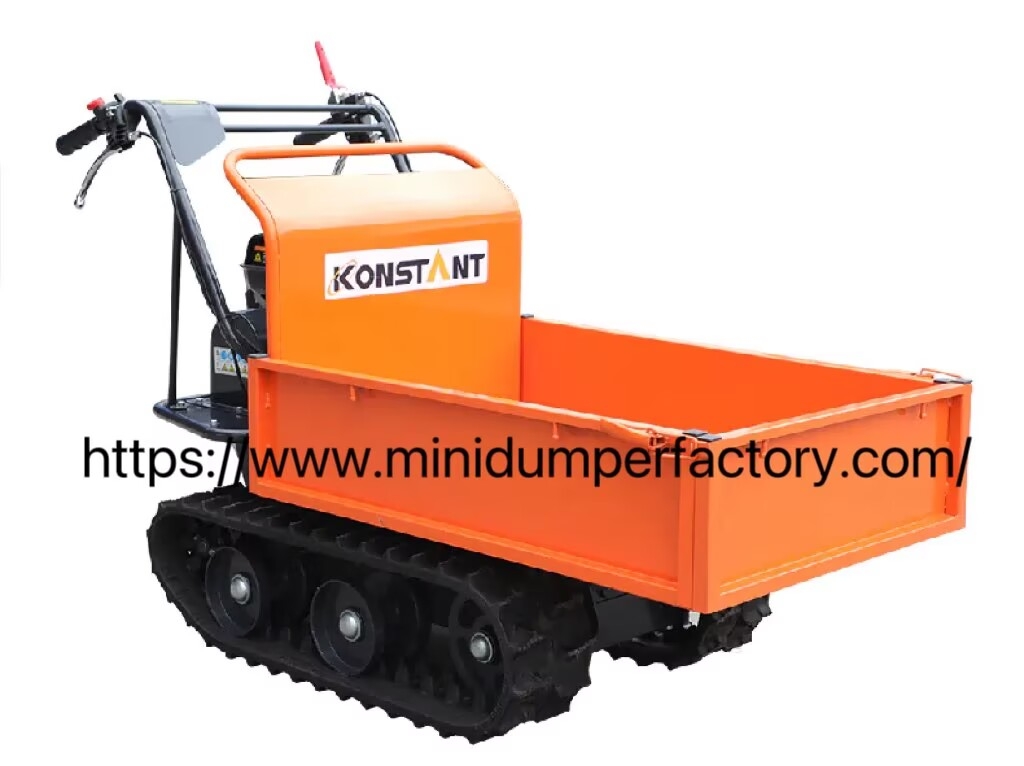

Power Barrow Manufacturer selection is an important decision for overseas importers, construction equipment distributors, rental businesses, and machinery wholesalers. Choosing a production partner involves more than reviewing a product catalog or comparing quotations. Buyers should examine the factory background, manufacturing arrangements, component sourcing, inspection procedures, and export experience. A detailed evaluation helps purchasers understand how an order will be managed, from the initial technical discussion to final shipment.
Does the Factory Have Experience With Similar Equipment?
Product specialization is an important part of supplier evaluation. Buyers should check whether a factory regularly produces material transportation equipment and whether its product range matches their intended market.
Ask about existing product models, structural configurations, production history, and typical applications. Product photographs can provide an initial reference, but additional information about assembly procedures and workshop facilities can help buyers understand the actual production situation.
It is also useful to ask which production activities are completed internally and which components or processes involve outside suppliers. This distinction helps buyers understand the factorys responsibilities and the way production is organized.
For distributors planning long-term cooperation, relevant production experience can also make technical discussions more efficient. A supplier familiar with construction, landscaping, and agricultural applications may be better prepared to discuss different operating requirements.
How Transparent Are the Production Arrangements?
A factorys production capability should be evaluated through specific information rather than general statements. Buyers can request an overview of the production process, including material preparation, metal fabrication, welding, surface treatment, assembly, and final inspection.
Factory photographs and production videos can provide useful references. If possible, buyers can arrange an online meeting to view the workshop and discuss how different components are assembled.
Production capacity is another point worth discussing. Ask about the usual production schedule, available assembly resources, and how the factory handles several orders at the same time.
For customized projects, clarify whether the required components and production changes can be arranged within the agreed schedule. These discussions help buyers evaluate whether the proposed arrangement matches their purchasing plans.
Which Components and Technical Specifications Need Confirmation?
Before requesting a formal quotation, buyers should prepare a specification list. Important details may include engine brand, rated output, transmission arrangement, chassis structure, hopper dimensions, tire or track configuration, and control system.
Component selection can influence operating characteristics, maintenance requirements, and product pricing. Buyers should ask which components are included in the standard configuration and which are optional.
It is also useful to confirm whether replacement parts can be supplied separately. Distributors serving different markets may need access to commonly used components to support their customers after delivery.
A written specification sheet can help prevent differences between the original quotation and the finished equipment. If any technical changes are required, both parties should record the updated details before production begins.
How Does the Factory Manage Sample Approval?
Sample confirmation provides an opportunity to review the agreed configuration before arranging a larger purchase. Buyers should ask whether a sample unit can be supplied and which details can be evaluated during the approval process.
Depending on the project, the inspection may cover external dimensions, welding appearance, surface finish, control operation, unloading functions, and included accessories.
Photographs and operating videos can support remote discussions, while an actual sample allows buyers to conduct a more direct assessment. Any requested adjustments should be recorded clearly, including changes to dimensions, colors, components, and labels.
For repeat orders, retaining an approved specification or reference sample can help both parties maintain consistent purchasing requirements. This is particularly relevant for distributors who intend to offer the same configuration to multiple customers.
What Quality Management Procedures Should Buyers Review?
Quality management should cover more than the appearance of finished equipment. Buyers can ask how incoming components are checked, how assembly work is monitored, and which operational tests are performed before shipment.
For example, inspection arrangements may include checking fasteners, hydraulic connections, braking functions, control response, and unloading operation. The exact inspection scope should match the selected configuration and the requirements agreed for the order.
Ask whether inspection results can be documented through checklists, photographs, or testing records. If a third-party inspection is required, discuss the inspection scope and schedule before production is completed.
A clear process for reporting and addressing identified issues is also important. Buyers should understand how the factory reviews inspection findings and communicates any necessary adjustments.
Can the Factory Support Different Order Requirements?
International buyers may have different requirements according to their distribution channels and target markets. Some may purchase standard models, while others may request specific colors, labels, packaging designs, or component combinations.
Buyers should ask which customization options are available and whether they involve additional charges, tooling, or production time. Minimum order quantities should also be clarified for different configurations.
For bulk purchasing, discuss whether mixed models or different configurations can be included in one order. Confirm how product identification, packaging labels, and accessory lists will be managed.
Clear written agreements are useful when several specifications are involved. They provide both parties with a reference during production and help organize repeat purchasing arrangements.
Are Export Documents and After-Sales Arrangements Clearly Defined?
International equipment procurement involves several commercial and logistical details. Buyers should confirm the quotation validity, payment terms, production schedule, packaging method, shipping conditions, and required export documents.
Packaging deserves particular attention because machinery may experience handling and transportation during international delivery. Ask about protective materials, loading arrangements, package dimensions, and gross weight.
After-sales arrangements should also be discussed before an order is placed. Buyers can request information about warranty coverage, spare parts ordering, technical documentation, and communication channels for handling product issues.
For overseas distributors, these arrangements can influence how they manage customer inquiries and future replacement requirements. Clear responsibilities and written records help establish practical expectations throughout the cooperation process.A purchasing decision should be based on verifiable factory information, clear technical specifications, and realistic order arrangements. Buyers comparing production partners can review the product range, available configurations, and company information from minidumperfactory at https://www.minidumperfactory.com/ Discussing product requirements, customization details, inspection procedures, and delivery plans directly with the factory can help both parties prepare an equipment order that matches the intended market and business requirements.