

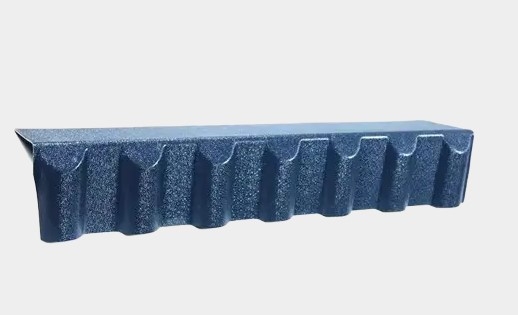

Natural lighting has become an important consideration in the planning of industrial buildings, agricultural facilities, warehouses, and commercial structures. Roofing materials that allow daylight to enter indoor spaces can help create more comfortable working environments while reducing dependence on artificial lighting during daytime operations. When buyers explore Chinese Frp Daylighting Panels , they often compare light transmission, structural compatibility, material characteristics, and installation requirements. Selecting suitable Chinese Frp Daylighting Panels also involves understanding how fiberglass-reinforced materials perform under different environmental conditions and how their profiles coordinate with existing roofing systems. These factors help construction suppliers and project contractors identify suitable daylighting solutions.
Fiberglass Reinforcement and Material Structure
FRP daylighting panels are manufactured using fiberglass reinforcement combined with resin materials. This composite structure provides a combination of light weight, structural strength, and design flexibility.
During manufacturing, fiberglass reinforcement is incorporated into the resin system to create a panel with the required thickness and physical characteristics. The selection of raw materials and production methods influences the finished product's appearance and application suitability.
Different projects may require different panel specifications. Thickness, width, profile shape, and resin composition should be evaluated according to the intended roofing structure and local environmental conditions.
For construction buyers, understanding these material characteristics helps when comparing daylighting panels with other roofing components.
Light Transmission and Building Layout Planning
The main purpose of a daylighting panel is to introduce natural light into an enclosed space. Its light transmission characteristics influence how daylight is distributed beneath the roof.
Factories and warehouses may use translucent roofing sections to illuminate selected working areas. Agricultural buildings can also incorporate daylighting panels to create suitable indoor lighting conditions for different operations.
The placement of panels should be considered alongside building orientation, roof dimensions, and surrounding structures. Distributing translucent sections across appropriate roof areas can help create a more balanced lighting arrangement.
Panel transparency and surface characteristics are also worth considering. Buyers should compare available specifications and select a suitable option according to the lighting requirements of their projects.
Chuanya Product Options and Roofing Compatibility
For overseas construction suppliers, product compatibility is an important consideration when sourcing roofing materials. Chuanya provides FRP daylighting panel solutions for different building applications.
Daylighting panels may be manufactured in different profiles to coordinate with metal roofing sheets and other roof structures. Matching the panel profile with the surrounding roofing material helps simplify installation planning and supports a more consistent roof appearance.
Buyers should confirm panel dimensions, profile shapes, thickness requirements, and available customization options before placing an order. Providing roofing drawings or sample profiles can help clarify compatibility requirements.
For projects involving large roof areas, consistent product specifications are particularly important. Confirming technical details before production helps purchasing teams coordinate the required materials more efficiently.
Installation Coordination and Weather Protection
Correct installation is essential for integrating FRP daylighting panels into a complete roofing system. Before construction begins, installers should check the roof slope, supporting structure, panel dimensions, and fixing positions.
The overlap between adjacent roofing materials needs careful attention. Incorrect alignment may create gaps or affect the overall weather protection of the roof.
Suitable fasteners and sealing accessories should be selected according to the roofing design and manufacturer's installation guidance. Installers should also avoid applying excessive pressure when fixing translucent panels, as improper handling may damage the material.
Transportation and storage require attention as well. Panels should be protected from unnecessary impact, surface scratches, and unsuitable storage conditions before installation.
Coordinating these details with the roofing contractor helps reduce installation difficulties and supports a more organized construction process.
Maintenance and Long-Term Building Management
Regular inspection helps building managers identify potential problems with daylighting roofing sections. Cleaning the panel surface can remove accumulated dust and environmental residue that may reduce the amount of natural light entering the building.
Inspection should also include fixing points, overlapping sections, and sealing areas. If visible damage or loose connections appear, maintenance personnel should assess the affected section and arrange appropriate repairs.
The surrounding roofing structure should be checked at the same time to identify any issues that could influence the performance of the complete roof assembly.
Selecting suitable FRP daylighting panels requires consideration of material specifications, light transmission, roof profile compatibility, and installation arrangements. Construction contractors, roofing distributors, and international buyers can explore available products and technical information at https://www.chuanyabuilding.com/ to identify suitable daylighting solutions for different building projects.